
An in-range A1C is an important treatment milestone, but does it tell the whole story of a patient’s diabetes management?
Not necessarily.
A1C is an essential measure of average blood glucose control. But it cannot establish whether a treatment regimen adequately mitigates cardiovascular risk, slows chronic kidney disease progression, avoids the risk of dangerous hypoglycemia, or accounts for real-world medication access.
For medical practices managing Type 2 diabetes, cardiorenal risk management and glycemic control belong in the same clinical conversation.
A regimen may achieve an in-range laboratory value while still requiring significant adjustments to protect organ function, enhance medication safety, and reduce patient burden.
The American Diabetes Association’s (ADA) Standards of Care in Diabetes—2026 emphasizes individualized therapy selection that evaluates comorbidities, cardiovascular and renal outcomes, hypoglycemia risk, adverse effects, cost, access, tolerability, and personal preferences.
For eligible individuals with Type 2 diabetes, guideline-directed therapies offer cardiovascular and renal protection independent of baseline A1C.
As healthcare organizations observe National Diabetes Month, clinical teams have the ideal opportunity to translate these evidence-based standards into clinical practice.
A structured, pharmacist-led medication review can enable care teams identify therapeutic gaps, resolve access barriers, and deliver comprehensive whole-person care.
A1C Is Only One Part of Diabetes Medication Management
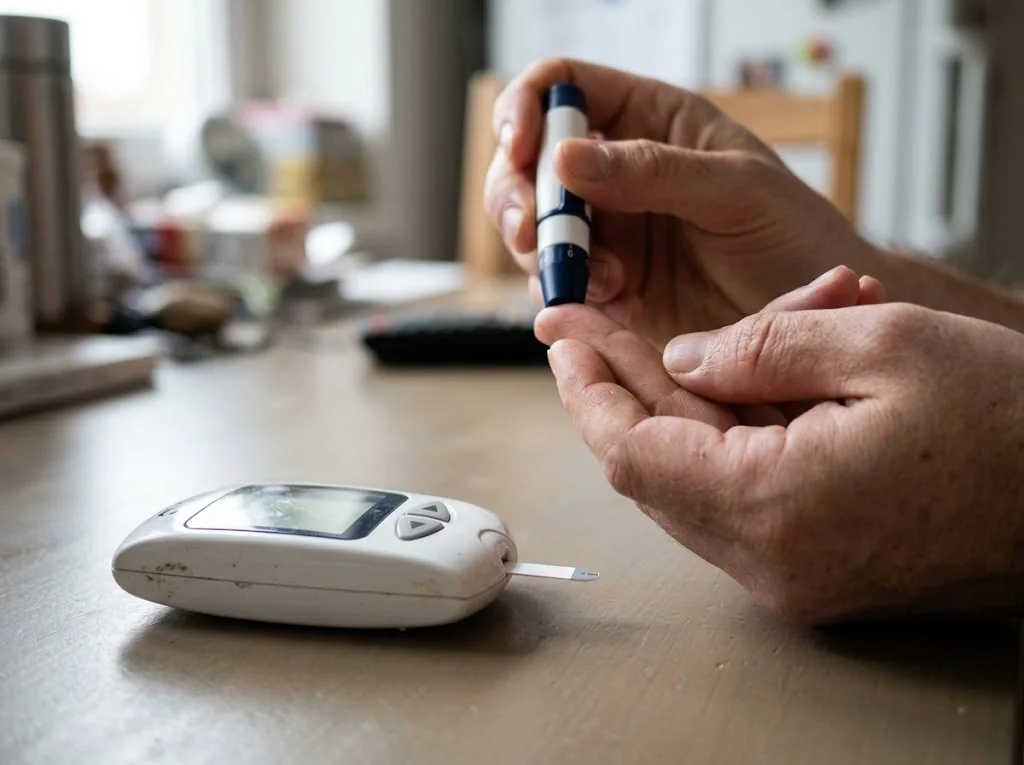
A1C measures average blood glucose exposure over the preceding two to three months.
It serves as a valuable tool for tracking glycemic trends, but it cannot provide visibility into organ-level protection.
Consider a patient with Type 2 diabetes whose A1C rests at a stable 6.8% on metformin and glipizide alone.
If that patient also carries co-morbid atherosclerotic cardiovascular disease (ASCVD), heart failure (HF), or chronic kidney disease (CKD), the care team must consider whether the treatment plan addresses those conditions and their associated risks.
Furthermore, clinical baselines fluctuate.
Declining kidney function can affect clearance of some medications and increase toxicity risk. Recurrent suspected or documented hypoglycemic episodes may warrant deprescribing or dose-titrating secretagogues.
Copay spikes during benefit transitions may cause silent medication abandonment.
The ADA recommends re-evaluating diabetes treatment regimens and medication-taking behavior at regular intervals typically every 3 to 6 months and adjusting therapies as clinical circumstances evolve.
To operationalize this guidance, practices need structured clinical workflows that systematically connect laboratory data with collaborative medication management.
A 6-Point Checklist for Comprehensive Diabetes Medication Review
1. Review Kidney Function and Medication Appropriateness
Kidney function is central to diabetes medication management. Chronic kidney disease can affect cardiovascular risk, medication safety, dosing decisions, and the monitoring a patient requires.
For people with type 2 diabetes, the ADA recommends assessing kidney function using both estimated glomerular filtration rate (eGFR) and urine albumin-to-creatinine ratio (UACR) at least annually, regardless of treatment.
People with established chronic kidney disease may require more frequent monitoring based on disease stage and risk.
A medication review should establish:
- Current eGFR and UACR values documentation in the medical record
- Current dosages alignment with renal clearance thresholds
- Whether regimen incorporates an SGLT2 inhibitor or GLP-1 receptor agonist with proven CKD progression reduction
- Whether acute filtration drops have been communicated immediately to the prescribing clinician?
The findings may identify a need for further assessment, a monitoring plan, or a discussion about treatment options.
For adults with type 2 diabetes and CKD who meet the relevant clinical criteria, the ADA recommends an SGLT2 inhibitor with proven kidney benefit (or a GLP-1 receptor agonist with demonstrated renal outcomes when an SGLT2 inhibitor is not tolerated or additional risk reduction is needed) to reduce the risk of CKD progression and cardiovascular events.
The choice should reflect the patient’s clinical profile, the individual medication’s evidence, kidney function, safety, access, and treatment preferences.
2. Assess Cardiorenal Protection Beyond Glucose Lowering
Cardiovascular disease remains the leading cause of morbidity and mortality among individuals with Type 2 diabetes.
Under the 2026 ADA Standards of Care (Sections 9–11), therapy selection is tailored to specific comorbidities, eGFR/albuminuria thresholds, and agent-specific outcomes data, describing risk reduction rather than guaranteed protection, and recognizing that these classes are not interchangeable across indications:
- For Heart Failure (HFrEF or HFpEF): An SGLT2 inhibitor with proven heart failure benefit is recommended to reduce the risk of worsening heart failure and cardiovascular death, irrespective of A1C.
- For Established ASCVD or High CV Risk: A GLP-1 receptor agonist or SGLT2 inhibitor with demonstrated cardiovascular benefit is recommended to reduce the risk of major adverse cardiovascular events (MACE), depending on the patient’s individual risk profile.
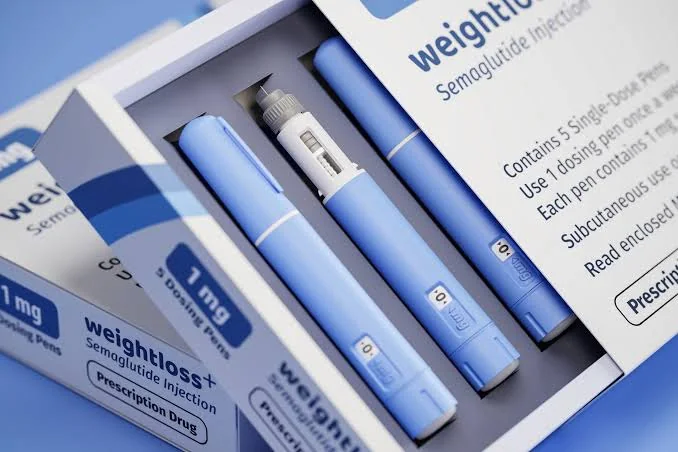
- For CKD with Albuminuria (eGFR ≥20 mL/min/1.73 m² and UACR ≥200 mg/g, or ≥30 mg/g): An SGLT2 inhibitor with primary renal outcomes evidence is recommended to reduce the risk of CKD progression and cardiovascular events; a GLP-1 receptor agonist with demonstrated kidney benefit (such as semaglutide) is recommended as an alternative or add-on option for patients who cannot tolerate or do not qualify for an SGLT2 inhibitor, or who need additional risk reduction.
A medication review determines whether these organ-protective therapies are indicated, feasible, and clinically concordant with the patient’s overall treatment plan.
3. Reassess Hypoglycemia Risk and Medication Safety
Achieving an A1C target is not the only consideration when evaluating a diabetes regimen. The care team must also assess whether treatment creates avoidable risks or imposes an excessive burden.
Insulin and sulfonylureas are among the medications associated with hypoglycemia. Risk depends on factors such as the regimen, dosing, meal patterns, kidney function, other medications, and the patient’s ability to monitor and manage blood glucose.
A medication review should examine:
- Frequency of symptomatic and asymptomatic low blood sugar episodes;
- Fluctuations in dietary consistency or kidney function that elevate hypoglycemia danger; and
- Opportunities to de-intensify, taper, or discontinue high-risk secretagogues when introducing modern organ-protective agents.
The ADA recommends reassessing medications with higher hypoglycemia risk including insulin, sulfonylureas, and meglitinides when initiating a new glucose-lowering medication, where appropriate, to minimize hypoglycemia risk and treatment burden.
4. Reconcile Actual Patient Medication-Taking Behavior
A prescription list describes what has been prescribed. It does not necessarily show what the patient takes.
Patients may miss doses, change how they take medications because of side effects, misunderstand instructions, or stop treatment when a prescription becomes difficult to obtain.
Pharmacist-led reconciliation involves direct patient engagement to determine:
- Exactly how medications are administered daily;
- Tolerance barriers such as nausea, diarrhea, or localized injection reactions; and
- Feasibility of consolidating dosing schedules into once-daily or fixed-dose combination formulations.
The answers help the care team distinguish between a treatment plan that is not achieving its intended goals and one the patient cannot follow consistently under current circumstances.
Medication reconciliation can also identify discrepancies between the prescribed regimen and the medications actually being used.
Where concerns arise, next steps may include patient education, simplification of the regimen when clinically appropriate, discussion of adverse effects, or coordination with the prescriber.
5. Identify Affordability and Medication Access Barriers
A medication can be clinically appropriate and still be inaccessible to the patient.
Cost, insurance coverage, supply problems, refill delays, and difficulty obtaining prescriptions can interrupt treatment. These barriers may be overlooked if the review focuses exclusively on laboratory results and prescribing decisions.
Practices should assess whether the patient can obtain and continue taking the prescribed regimen.
A proactive review evaluates:
- Plan-specific tier coverage and out-of-pocket costs;
- Eligibility for manufacturer patient assistance programs or Medicare Low-Income Subsidies (LIS); and
- Clinically appropriate, covered alternatives within the same therapeutic class when formulary denials occur.
Where affordability is the problem, the care team may explore realistic options without compromising the patient’s clinical needs.
Medication access should be part of the review from the outset, particularly when considering medications that may be difficult for a patient to obtain or continue over time.
6. Establish Monitoring, Documentation, and Follow-Up
A medication review is not complete simply because the care team has identified a potential issue. Findings must be evaluated, communicated to the appropriate clinician, and followed through when action is indicated.
Depending on the patient’s circumstances, follow-up may involve reviewing laboratory results, monitoring adverse effects, assessing adherence, evaluating the response to a treatment change, or confirming that an access barrier has been resolved.
A pharmacist may identify a potential medication-related problem and recommend an appropriate intervention.
Prescribing decisions remain with the authorized clinician in accordance with professional scope and applicable requirements.
Clear communication and defined responsibility help prevent review findings from remaining unresolved.
Action Plan: Moving Beyond Glycemic Control to Comprehensive Cardiorenal Health
Achieving an A1C target is a crucial milestone, but it is not the finish line.
True clinical excellence in diabetes care requires evaluating the whole patient, safeguarding kidneys, protecting the heart, reducing hypoglycemia risk, and addressing access barriers.
The ADA’s 2026 Standards provide an evidence-based framework for individualized treatment decisions. A pharmacist-led checklist can help practices apply that guidance systematically, document relevant findings, and connect recommendations with appropriate follow-up.
Operationalizing Comprehensive Reviews with Pharmacist-Led Medication Management
Implementing regular, 30-minute comprehensive medication reviews across an entire diabetes panel places enormous strain on busy primary care teams.
Pharmacist led models like PharmD Live® integrate directly into medical practices, health systems, and ACOs to deliver continuous, pharmacist-led care.
Utilizing board-certified virtual Pharmacist Care Managers operating under Collaborative Practice Agreements (CPAs), PharmD Live®:
- Ingests EHR, laboratory, and remote monitoring data to identify cardiorenal risk gaps;
- Performs comprehensive medication reviews that evaluate renal clearance, hypoglycemia danger, and drug interactions;
- Navigates complex prior authorizations and resolves affordability barriers;
- Delivers evidence-based therapeutic recommendations directly to the treating physician; and
- Provides continuous patient education and adherence coaching through our Medication Adherence Program.
By extending clinical reach between visits, PharmD Live® can support the delivery of guideline-directed diabetes care.
References
American Diabetes Association Professional Practice Committee. 9. Pharmacologic Approaches to Glycemic Treatment: Standards of Care in Diabetes—2026. Diabetes Care. 2026;49(Suppl. 1)–S215.
American Diabetes Association Professional Practice Committee. 10. Cardiovascular Disease and Risk Management: Standards of Care in Diabetes—2026. Diabetes Care. 2026;49(Suppl. 1)–S245.
American Diabetes Association Professional Practice Committee. 11. Chronic Kidney Disease and Risk Management: Standards of Care in Diabetes—2026. Diabetes Care. 2026;49(Suppl. 1)–S260.
National Institute of Diabetes and Digestive and Kidney Diseases. National Diabetes Month.
PharmD Live. Medication Therapy Management (MTM).
PharmD Live. Medication Adherence Program.