
Schedule a Consultation
For PatientsContact Us โ†’

Diabetes Care Management That Connects Data, Medications, and Daily Life

Help patients act on their care plans through coordinated disease support, clinical pharmacist-led medication review, monitoring follow-up, and practical help overcoming barriers.

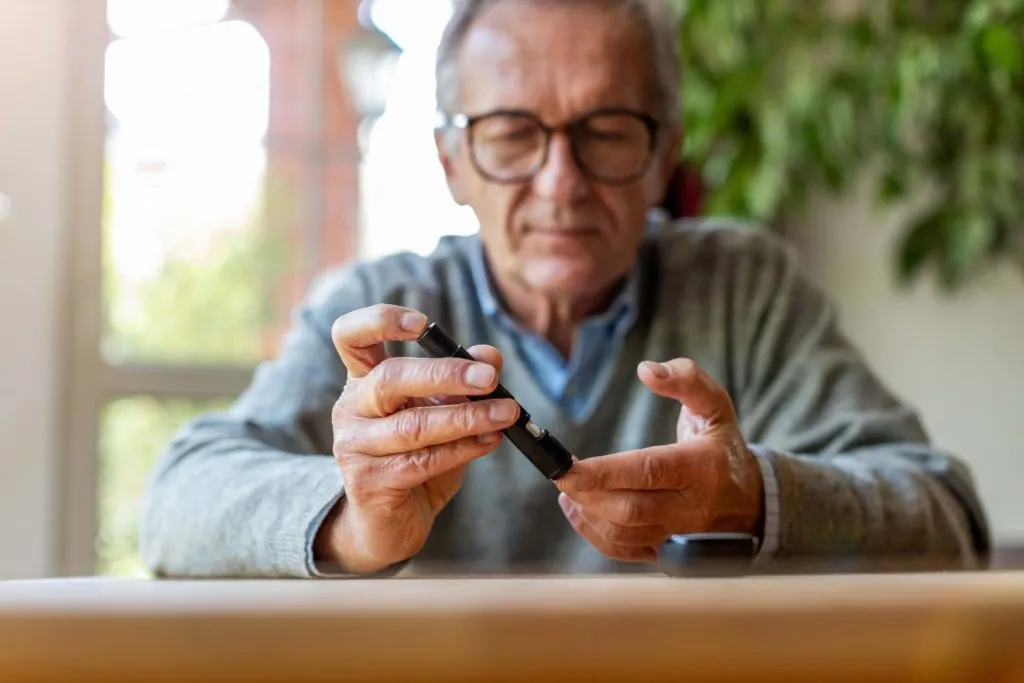
Senior man checking blood glucose levels for diabetes management

Better Diabetes Outcomes Require More Than a Prescription

More than 40 million Americans have diabetes. The consequences of inadequate control can include cardiovascular disease, chronic kidney disease, neuropathy, retinopathy, and other serious complications.

Clinical decisions made during an office visit are only one part of diabetes management. Outcomes are also shaped by what happens at home: whether the patient understands the regimen, can afford medications and supplies, recognizes hypoglycemia, follows monitoring instructions, accesses nutritious food, attends follow-up appointments, and communicates emerging problems to the care team.

PharmD Liveโ€™s Diabetes Care Management Program brings those elements together through a multidisciplinary clinical team, with clinical pharmacist-led medication management embedded throughout the care model.

Senior man using an insulin pen for diabetes treatment at home

Three Integrated Dimensions of Diabetes Care

Disease Management

The team supports provider-established goals through ongoing patient education, monitoring follow-up, care-plan reinforcement, preventive care-gap identification, and coordination across primary care and specialty clinicians.

Depending on program design and patient needs, support may include glucose-monitoring education, recognition of hypo- and hyperglycemia warning signs, follow-up on ordered A1c and kidney testing, eye and foot care reminders, cardiovascular risk-factor support, and coordination after a hospitalization or emergency visit.

Smiling senior patient during a healthcare consultation
Older woman preparing diabetes testing supplies at home

Clinical Pharmacist-Led Medication Management

Clinical pharmacists review the complete medication regimen in the context of diagnoses, available laboratory information, home-monitoring patterns, adherence, tolerability, and patient goals. The review can identify:

  • Adherence and refill gaps

  • Hypoglycemia risk

  • Side effects affecting persistence

  • Medication duplication or interactions

  • Renal-function considerations

  • Insulin-use or administration concerns

  • Medication affordability and formulary barriers

  • Opportunities for the prescriber to consider guideline-aligned therapy

PharmD Live does not prescribe or adjust diabetes therapy. Clinical pharmacists send informed, guideline-driven recommendations to the prescriber, who makes all medication decisions.

Social Determinants of Health Support

The team identifies barriers that may affect diabetes control, including food insecurity, medication or supply affordability, transportation, housing instability, limited health literacy, language needs, technology access, and limited caregiver support. Patients are connected with appropriate organizational or community resources when available.

Doctor checking blood pressure of a senior woman during home healthcare

Program Capabilities

Longitudinal diabetes education and care-plan support
Review of blood glucose or continuous glucose monitoring information when available through the approved workflow
Clinical pharmacist-led comprehensive medication review
Medication adherence, tolerability, and access support
Follow-up for A1c, kidney, eye, foot, and cardiovascular care gaps
Coordination with primary care, endocrinology, nephrology, and other treating clinicians
Post-discharge medication reconciliation and transition support
Behavioral health and motivational support when included in the program
Referral coordination for appropriate prevention or lifestyle programs

Outcomes the Program Is Designed to Support

Senior woman attending a telemedicine consultation on a tablet from home

Improved medication adherence and persistence

Better patient understanding and self-management

Safer medication use and reduced hypoglycemia risk

Improved completion of recommended testing and preventive services

Progress toward individualized glycemic and cardiovascular goals

Earlier identification of medication, monitoring, or access concerns

Fewer potentially avoidable complications and acute-care episodes

Stronger HEDIS, Stars, and value-based care performance

Designed for Providers, ACOs, IDNs, and Payers

Primary care and endocrinology practices gain additional between-visit capacity.

ACOs and IDNs gain a scalable model for addressing clinical risk, medication adherence, care gaps, and avoidable utilization across diabetes populations.

Payers gain a member-support strategy focused on adherence, access, engagement, disease control, and total cost of care.

Frequently Asked Questions

Does PharmD Live initiate or titrate insulin or GLP-1 therapy?

No. PharmD Live reviews medication therapy and relevant patient information, then sends informed, guideline-driven recommendations to the prescriber. The prescriber makes all initiation, titration, discontinuation, and substitution decisions.

Can PharmD Live use glucose-monitoring information?

When included in the client-approved workflow, the team can review available home glucose or continuous glucose monitoring information, identify concerning patterns, and communicate findings to the treating provider. The precise technical and clinical workflow is established during implementation.

How does the program address medication affordability?

The team identifies access and affordability concerns and works with the patient, prescriber, health plan, pharmacy, and available assistance resources to support appropriate next steps.

Does the program address diabetes complications?

The program supports preventive care, care-gap follow-up, medication review, patient education, and coordination related to kidney, cardiovascular, eye, foot, and other risks. Diagnosis and treatment decisions remain with the patientโ€™s authorized clinicians.

Turn Diabetes Care Plans Into Consistent Between-Visit Support

Give patients the education, medication expertise, and practical assistance they need to remain engaged in care.

Discuss Your Diabetes Population