
Medicare has negotiated new prices for 15 prescription drugs, with the changes taking effect January 1, 2027.
The list includes familiar medications such as Ozempic, Rybelsus, Wegovy, Trelegy Ellipta, Breo Ellipta, Tradjenta, and Janumet.
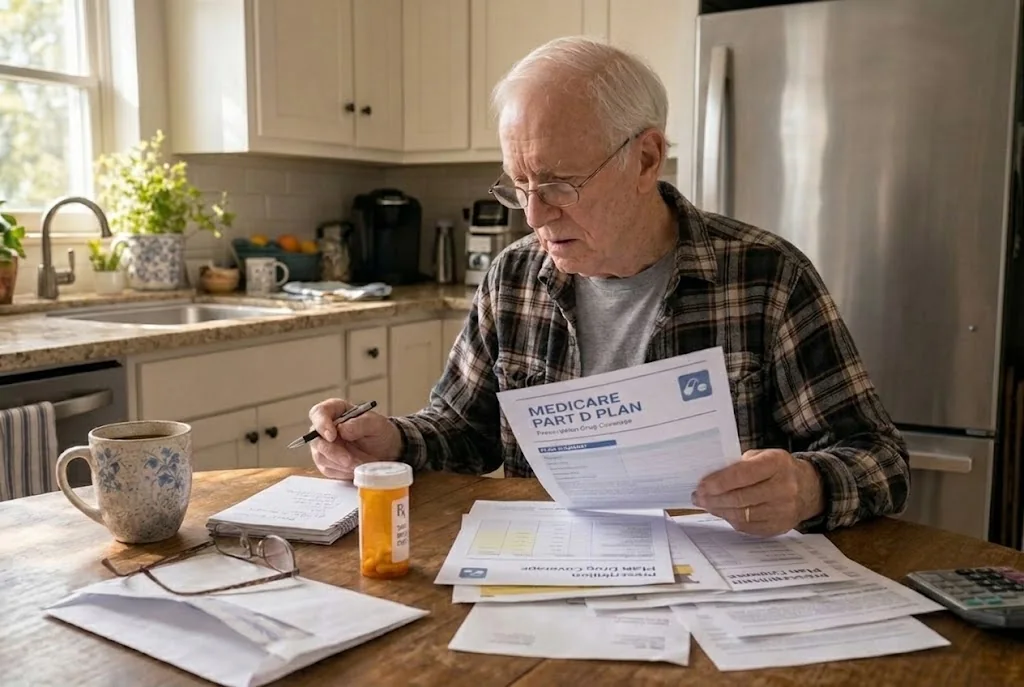
If you take any of these medications, you may be wondering whether your prescription will cost less next year.
That’s a reasonable question.
The negotiated price isn’t necessarily what you’ll pay at the pharmacy, and the announced percentage reductions don’t tell you exactly how much you’ll save.
Under the CMS Medicare Drug Price Negotiation Program, these maximum fair prices (MFPs) are negotiated prices for selected drugs made available to eligible people with Medicare.
While the program aims to lower nationwide drug spending, individual out-of-pocket costs remain subject to specific Medicare Part D benefit designs, deductibles, copayments, and tier placements.
Here’s what to expect in January, what the new prices mean for your coverage, and what you should check ahead of time.
Which medications Are Included in the 2027 Price Changes?
The Centers for Medicare & Medicaid Services (CMS) selected 15 drug groupings for the second negotiation cycle. Their negotiated maximum fair prices take effect January 1, 2027.
The selected medications treat a range of conditions, including diabetes, asthma, COPD, cancer, and other illnesses.
| Selected drug grouping | Examples of conditions treated |
|---|---|
| Austedo and Austedo XR | Huntington’s disease-related chorea and tardive dyskinesia |
| Breo Ellipta | Asthma and COPD |
| Calquence | Chronic lymphocytic leukemia (CLL)/small lymphocytic lymphoma (SLL); mantle cell lymphoma |
| Ibrance | Breast cancer |
| Janumet and Janumet XR | Type 2 diabetes |
| Linzess | Chronic constipation and irritable bowel syndrome with constipation |
| Ofev | Idiopathic pulmonary fibrosis |
| Otezla and Otezla XR | Oral ulcers in Behçet’s disease; plaque psoriasis; psoriatic arthritis |
| Ozempic, Rybelsus, and Wegovy | Different approved uses involving diabetes, cardiovascular risk, and weight management |
| Pomalyst | Multiple myeloma and Kaposi sarcoma |
| Tradjenta | Type 2 diabetes |
| Trelegy Ellipta | Asthma and COPD |
| Vraylar | Bipolar I disorder; major depressive disorder; schizophrenia |
| Xifaxan | Hepatic encephalopathy; irritable bowel syndrome with diarrhea (IBS-D) |
| Xtandi | Prostate cancer |
These are examples of the medications’ uses, not a guarantee that Medicare covers every use or formulation.
The selected-drug list and applicable coverage rules determine what qualifies.
You can find the full list and drug-specific information on CMS’s official negotiated-price page.
Decoding “Maximum Fair Price”: What Does a Negotiated Drug Price Actually Mean?
Medicare’s maximum fair price, or MFP, is the negotiated price established for a selected drug under the program.
The important distinction is that the negotiated price is not a universal pharmacy-counter price that every patient pays.
Your out-of-pocket cost is determined by the Medicare Part D benefit rules that apply to you. Depending on your circumstances, your costs may involve a deductible, copayment, or coinsurance.
The negotiated price affects the applicable price used under the program, but it doesn’t mean every person taking the same medication will see the same reduction in their prescription costs.
What the published percentage reductions tell you
CMS compares the negotiated prices with the drugs’ 2024 list prices for a 30-day supply. Some of the published reductions include:
- 85% for Janumet and Janumet XR
- 84% for Tradjenta
- 83% for Breo Ellipta
- 73% for Trelegy Ellipta
- 71% for the Ozempic, Rybelsus, and Wegovy grouping
These figures show how the negotiated prices compare with historical list prices. They do not mean that every patient taking these medications will pay the same percentage less at the pharmacy.
The comparison also uses 2024 list prices, not what you personally paid for your last prescription. Your own savings, if any, cannot be calculated from the published percentage alone.
For the complete figures and comparison details, see the CMS 2027 negotiated-price infographic.
What Changes on January 1, 2027?
The negotiated maximum fair prices for the 15 selected Part D drug groupings take effect on January 1, 2027.
CMS estimates that the new prices will reduce aggregate out-of-pocket spending for people enrolled in Medicare prescription drug coverage. Under the defined standard Part D benefit design, CMS projects approximately $685 million in out-of-pocket savings in 2027.
However, that is an estimate across the covered population, not a promise that a particular person will save a specific amount.
The practical effect will depend on the benefit rules that apply to each person’s prescription.
If you take one of the selected medications, the most useful step is to confirm how the new pricing applies to your coverage and what you should expect to pay.
4 Critical Rules: What Does NOT Automatically Change on January 1
While the new negotiated prices are significant, they don’t answer every question about prescription costs or coverage.
Personal savings aren’t guaranteed
A published price reduction doesn’t tell you exactly what your next prescription will cost.
Your out-of-pocket expense depends on the applicable Part D benefit and cost-sharing rules. The negotiated price is part of that picture, but it isn’t the same as a guaranteed reduction in your personal costs.
If you want to know what you’ll pay in 2027, ask your plan how the negotiated price affects your expected cost-sharing for your specific medication.
Coverage requirements aren’t automatically removed
The announcement doesn’t guarantee that every plan will cover a selected medication on identical terms or remove an existing prior authorization requirement.
Part D plans generally must include covered selected drugs with an MFP in effect on their formularies, although permitted exceptions and coverage requirements may apply.
Check your plan’s information for the specific drug you take.
Don’t assume that the negotiated price means you can skip a required authorization or that your medication’s coverage status will automatically change.
Negotiation doesn’t expand a medication’s approved uses
A medicine may be approved to treat different conditions, but Medicare coverage depends on the specific product and what it’s prescribed for.
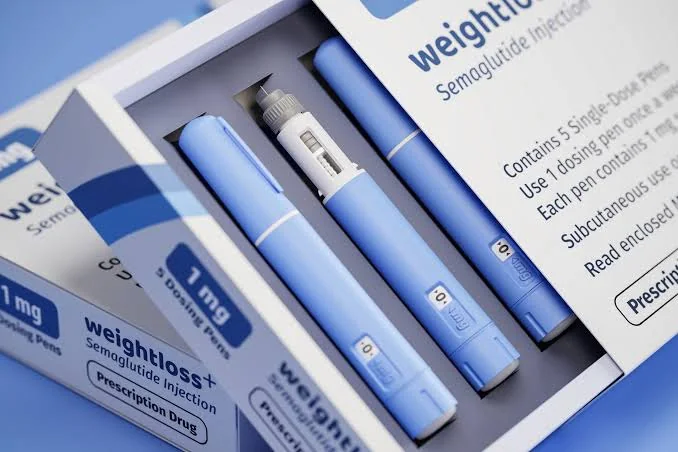
Consider the semaglutide products Ozempic, Rybelsus, and Wegovy.
They are related products, but they have different approved uses. Their inclusion in the selected drug grouping does not mean Medicare will cover every use of every product.
For example, if Wegovy® is prescribed to reduce excess body weight rather than a Part D-covered cardiovascular indication, access may fall under the separate Medicare GLP-1 Bridge demonstration, which carries its own clinical criteria, plan-type restrictions, and $50 copay rules.
Inclusion in the 2027 negotiated-price grouping alone does not establish eligibility, so verify which pathway applies to your prescription rather than relying on the drug name alone. .
A lower negotiated price doesn’t resolve every access problem
Even when a drug has a negotiated price, a person may still need help understanding coverage, obtaining authorization, or managing prescription costs.
If you continue to have difficulty obtaining a medication, contact your plan, pharmacist, or prescriber as appropriate.
Don’t stop taking a prescribed medication or change your treatment without first talking with your prescriber.

Pre-January Checklist for Patients, Physicians, and Care Teams
You shouldn’t just assume that your coverage will change or that you must switch plans.
Instead, use the weeks before January to confirm the details that matter to your prescription.
If you take one of the selected medications, ask:
- Is my exact medication included in the 2027 selected-drug information?
- How does the negotiated price apply to my prescription under Medicare’s rules?
- What should I expect to pay under my Part D benefit in 2027?
- Does my plan have coverage or authorization requirements I need to understand?
- Do I need to take any action before my next refill?
2027 Out-of-Pocket Cap & Extra Help Note: For covered Part D drugs in 2027, Medicare sets an annual out-of-pocket limit of $2,400 (though only covered Part D drug spending counts toward the cap copays under the separate Medicare GLP-1 Bridge do not), and eligible beneficiaries may receive additional cost-sharing reductions through Medicare’s Extra Help program.
See Medicare Part D Costs to check how these rules apply to your coverage.
Your plan can explain your benefits and expected cost-sharing.
Your pharmacist can help clarify prescription details, while your prescriber can address questions about the medication and appropriate treatment options.
If you prescribe medications or support medication access, consider these questions:
- Which patients take medications included in the selected-drug list?
- Have patients who are concerned about costs been directed to the right source for plan-specific information?
- Is there a clear way to help patients who continue to have difficulty obtaining their prescriptions?
How Care Teams Put This Into Practice: In a primary care practice or ACO workflow, a clinical pharmacist or care coordinator can proactively review upcoming 2027 refills for selected medications, verify the patient’s Part D formulary tier, deductible status, and prior authorization criteria with the plan, and reach out to the patient to explain expected out-of-pocket costs, looping in the prescriber if authorization documentation or a clinically appropriate alternative needs to be evaluated.
The goal is to help people understand what applies to their own circumstances and where to turn when they have questions.
Where to Find Reliable Information
Use official resources to check the details rather than relying on headlines or general estimates.
- CMS selected drugs and negotiated prices: Review the official list and price information.
- CMS negotiated-price infographic: See the published price reductions and estimated savings.
- Medicare Part D costs: Learn how prescription drug costs work.
- Your Medicare plan: Ask about your medication’s coverage, authorization requirements, and expected out-of-pocket costs.
- Your pharmacist or prescriber: Get help with prescription questions and appropriate next steps if access remains a problem.
The Bottom Line
Medicare’s negotiated prices for 15 selected Part D drug groupings take effect January 1, 2027.
The change is intended to reduce prescription drug spending, and CMS projects lower out-of-pocket costs across the covered population.
But a published price reduction doesn’t tell you exactly what you’ll pay, whether your coverage requirements will change, or whether a particular use of a medication is covered.
Before January, check whether your medication is included, ask your plan what the change means for your expected costs, and speak with your pharmacist or prescriber if you have questions.
References
Centers for Medicare & Medicaid Services. (2025). Fact sheet: Medicare Drug Price Negotiation Program: Selected drugs for initial price applicability year 2027. https://www.cms.gov/files/document/factsheet-medicare-negotiation-selected-drug-list-ipay-2027.pdf
Centers for Medicare & Medicaid Services. (2025). Fact sheet: Medicare Drug Price Negotiation Program: Negotiated prices for initial price applicability year 2027. https://www.cms.gov/files/document/fact-sheet-negotiated-prices-ipay-2027.pdf
Centers for Medicare & Medicaid Services. (2025). Infographic: Medicare Drug Price Negotiation Program—Negotiated prices for initial price applicability year 2027. https://www.cms.gov/files/document/infographic-negotiated-prices-ipay-2027.pdf
Centers for Medicare & Medicaid Services. Selected drugs and negotiated prices. Retrieved October 22, 2026, from https://www.cms.gov/initiatives/medicare-prescription-drug-affordability/overview/medicare-drug-price-negotiation-program/selected-drugs-negotiated-prices
Medicare. Drug plan rules. Retrieved October 22, 2026, from https://www.medicare.gov/health-drug-plans/part-d/what-drug-plans-cover/plan-rules
Medicare. How much does Medicare drug coverage cost? Retrieved October 22, 2026, from https://www.medicare.gov/health-drug-plans/part-d/basics/costs
Medicare. Drug coverage basics. Retrieved October 22, 2026, from https://www.medicare.gov/health-drug-plans/part-d/basics
Medicare. Weight loss drugs (Medicare GLP-1 Bridge). Retrieved November 2026, from https://www.medicare.gov/coverage/weight-loss-drugs