

The rapid rise of glucagon-like peptide-1 (GLP-1) and dual GLP-1/glucose-dependent insulinotropic polypeptide (GIP) receptor agonists—such as semaglutide and tirzepatide—has fundamentally transformed chronic weight management and cardiometabolic care.
With millions of Americans currently prescribed anti-obesity medications and utilization continuing to expand, FDA-approved weight-loss therapies offer powerful clinical options for patients struggling with obesity and metabolic comorbidities.
However, these high-cost biopharmaceuticals present significant operational and clinical hurdles: gastrointestinal side effects, medication-specific dose-escalation schedules, high out-of-pocket costs, and complex prior authorization requirements.
Treatment discontinuation can occur for many reasons, including tolerability, cost, and access barriers.
Discontinuation may be followed by weight regain and lost clinical progress.
To bridge this gap, health systems, medical practices, and Accountable Care Organizations (ACOs) are deploying virtual Pharmacist Care Managers (PCMs).
Working alongside the prescribing team, virtual clinical pharmacists can support medication education, identify side-effect concerns, and help patients navigate access barriers.
The Obesity Care Challenge: Adherence, Side Effects, and Cost Friction
Prescribing GLP-1 medications requires clinical assessment, but maintaining patients on effective, long-term therapy requires high-touch clinical oversight.
Outpatient clinics face three major operational bottlenecks:
-
Gastrointestinal Side Effect Burden: Transient nausea, vomiting, constipation, and diarrhea are primary drivers of early therapy abandonment.
Without rapid clinical reassurance and dietary coaching, patients stop taking their medication before reaching target therapeutic doses.
-
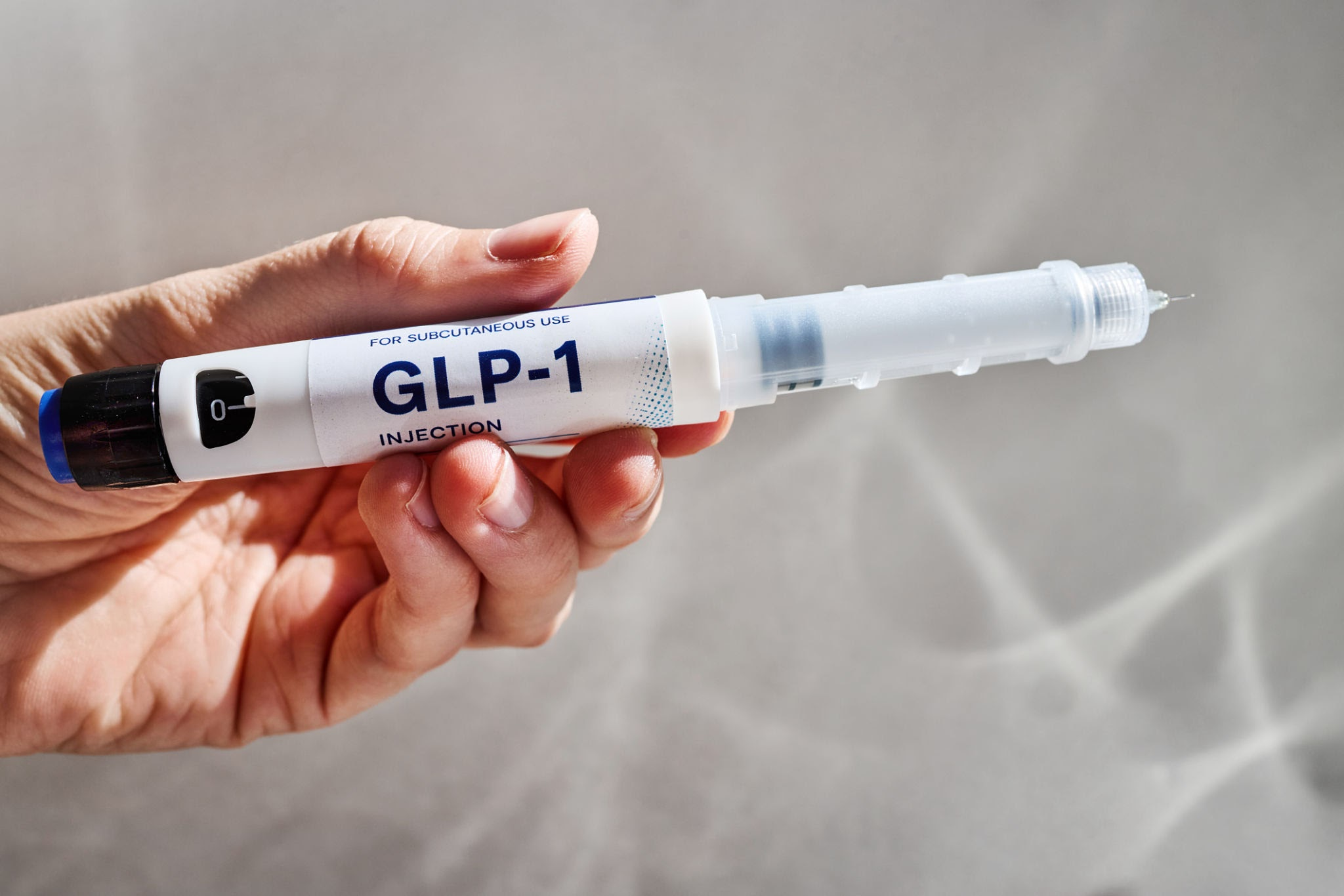
Administration and Dosing Complexity: Injectable subcutaneous pens and oral formulations require detailed patient education regarding proper injection technique, cold-chain storage, and mandatory step-up titration schedules.
-
Severe Financial Non-Adherence: Medication non-adherence and improper drug use contribute over $300 billion in avoidable U.S. healthcare expenses annually, while adverse drug events (ADEs) cause over 770,000 injuries and hospitalizations nationwide, as documented in research published in BMJ Open.
The 2026 Regulatory Landscape: The Medicare GLP-1 Bridge Program
Navigating coverage for anti-obesity medications requires aligning clinical workflows with updated Centers for Medicare & Medicaid Services (CMS) benefit rules.
The Medicare GLP-1 Bridge program provides a dedicated coverage pathway for eligible Medicare Part D enrollees seeking anti-obesity treatment:
| Regulatory Parameter | CMS Medicare GLP-1 Bridge Policy Baseline | Impact on Practice GLP-1 Workflows |
|---|---|---|
| Copay Benchmark | $50/month flat copay for eligible covered weight-loss medications (e.g., Wegovy®, Foundayo®, Zepbound® KwikPen®) | May lower medication costs for eligible beneficiaries; the $50 copay does not count toward Part D out-of-pocket costs. |
| Clinical Eligibility | BMI ≥ 35, or BMI ≥ 30 with uncontrolled hypertension/heart failure/CKD, or BMI ≥ 27 with pre-diabetes/cardiovascular disease | Requires structured clinical attestation and baseline metric verification prior to prescription fill. |
| Part D Integration | In 2026, a central CMS processor handles prior authorization and claims outside the Part D coverage and payment flow | Demands dedicated prior authorization workflows so prescriptions route correctly through pharmacy networks. |
Note: In addition to the Bridge program, Medicare Part D may cover eligible GLP-1s for certain FDA-approved indications, subject to plan rules.
Virtual Pharmacist-Led Anti-Obesity Care Management
Physicians assess GLP-1 treatment options, but clinic staff may lack the capacity to guide patients through complex titration steps, navigate pharmacy NDC billing errors, and field late-night calls regarding severe side effects.
Without a dedicated clinical triage engine patients experience unmanaged side effects or administrative delays at retail pharmacies—leading them to give up and discontinue therapy within weeks.
Coordinating prior authorization navigation, pharmacy troubleshooting, and side-effect triage with clinical pharmacists can help address friction points surrounding anti-obesity care:
How PharmD Live®’s Virtual Pharmacists Optimize GLP-1 Care
PharmD Live® pairs board-certified virtual clinical pharmacists with technology-enabled care coordination to support high-cost, complex medication regimens alongside the care team:
1. Side-Effect Education and Triage
Virtual PCMs can help patients report side effects or dosing questions and connect them with the prescribing team.
Pharmacists can reinforce the prescriber’s plan, identify concerns, and direct patients to appropriate clinical follow-up.
2. Prior Authorization and Formulary Navigation
PharmD Live® handles the administrative heavy lifting of prior authorizations—gathering necessary clinical attestations, verifying BMI metrics, and ensuring prescriptions qualify under the Medicare GLP-1 Bridge program or commercial insurance formularies.
3. Whole-Person Care Layering
Pharmacists integrate GLP-1 monitoring into broader care management frameworks:
-
Remote Patient Monitoring (RPM): Tracking cellular blood pressure and body weight data in real time (CPT 99453 / 99454 / 99457) under Remote Patient Monitoring (RPM).
-
Chronic Care Management (CCM): Managing co-occurring diabetes, hypertension, and dyslipidemia (CPT 99490 / 99439) under Chronic Care Management (CCM).
-
Comprehensive Medication Reviews (CMRs): Identifying potential medication-related concerns and communicating recommendations to the prescriber under Medication Therapy Management (MTM).
Resolving NDC Billing Bottlenecks and Driving Weight Loss in Practice
The tangible value of this operational bridge is best demonstrated when administrative triage preserves patient access and sparks long-term engagement:
Following a GLP-1 prescription for chronic weight management, a patient faced a two-month delay attempting to get her medication filled at her local retail pharmacy.
The pharmacy informed the patient that the drug was unavailable and out of stock, leaving her frustrated and on the verge of abandoning therapy.
A PharmD Live® Pharmacist Care Manager (PCM) initiated an administrative intervention.
The PCM contacted the retail pharmacy directly and discovered the root cause: the pharmacy was billing an outdated National Drug Code (NDC) package number for a 1.5mL pen formulation instead of the updated 3mL pen package.
The PCM educated the pharmacy staff on the correct NDC billing code, secured prescription processing, and confirmed delivery.
Within 30 days of starting therapy, the patient lost 7 pounds, developed renewed motivation for daily exercise, and reported feeling fully supported in her cardiometabolic journey.
Patient details and names have been anonymized to protect privacy in compliance with HIPAA guidelines.
Action Plan for Practice Leaders: 4 Steps to Deploy GLP-1 MTM
To optimize anti-obesity care delivery and safeguard practice operating margins, executive leaders should take four immediate steps:
-
Audit Panel GLP-1 Utilization: Identify high-risk patients currently prescribed GLP-1/GIP therapies who face cost barriers or high side-effect risks.
-
Establish Triage Protocols: Define how patients report side effects and how urgent concerns reach the appropriate clinical team.
-
Streamline Prior Authorization Workflows: Implement standardized clinical attestation templates for the Medicare GLP-1 Bridge program.
-
Partner with a Turnkey Clinical Solution: Leverage PharmD Live’s virtual clinical pharmacists to manage remote patient monitoring, close quality gaps, and optimize anti-obesity care delivery alongside Transitional Care Management (TCM).
Elevate Your GLP-1 Strategy with PharmD Live®
GLP-1 and GIP receptor agonists represent a major leap forward in chronic disease management, but realizing their full clinical and economic potential requires structured pharmacist oversight.
A pharmacist-led care team can support medication safety and coordination alongside existing clinicians.
Learn how PharmD Live supports weight management alongside your care team.
References
-
Centers for Medicare & Medicaid Services (CMS). Medicare GLP-1 Bridge Program Policy Guidance & Information for Providers. CMS.gov.
-
Centers for Medicare & Medicaid Services (CMS). Calendar Year (CY) 2026 Medicare Physician Fee Schedule Final Rule. CMS.gov.
-
Jastreboff AM, Aronne LJ, Ahmad NN, et al. Tirzepatide Once Weekly for the Treatment of Obesity. N Engl J Med. 2022;387(3):205-216. doi:10.1056/NEJMoa2206038. PMID: 35658024.
-
Wilding JPH, Batterham RL, Calanna S, et al. Once-Weekly Semaglutide in Adults with Overweight or Obesity. N Engl J Med. 2021;384(11):989-1002. doi:10.1056/NEJMoa2032183. PMID: 33567185.
-
Cutler RL, Fernandez-Llimos F, Frommer M, Benrimoj C, Garcia-Cardenas V. Economic impact of medication non-adherence by disease groups: a systematic review. BMJ Open. 2018;8(1):e016982. doi:10.1136/bmjopen-2017-016982. PMID: 29358417.
-
Budnitz DS, Lovegrove MC, Shehab N, Richards CL. Emergency Hospitalizations for Adverse Drug Events in Older Americans. N Engl J Med. 2011;365(21):2002-2012. doi:10.1056/NEJMsa1103053. PMID: 22111719.
-
PharmD Live®. Medication Therapy Management & Virtual Care Solutions. PharmD Live.
