
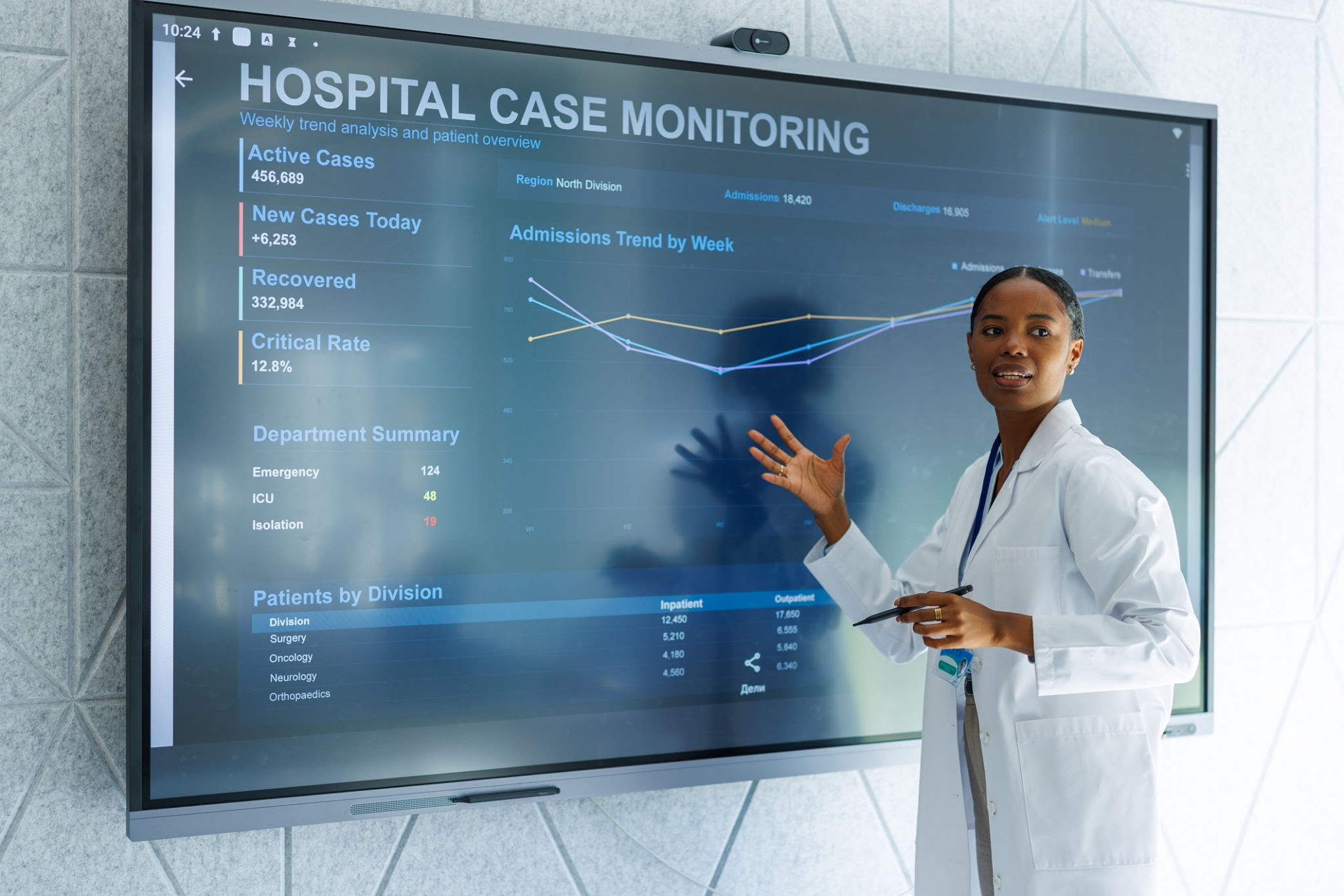
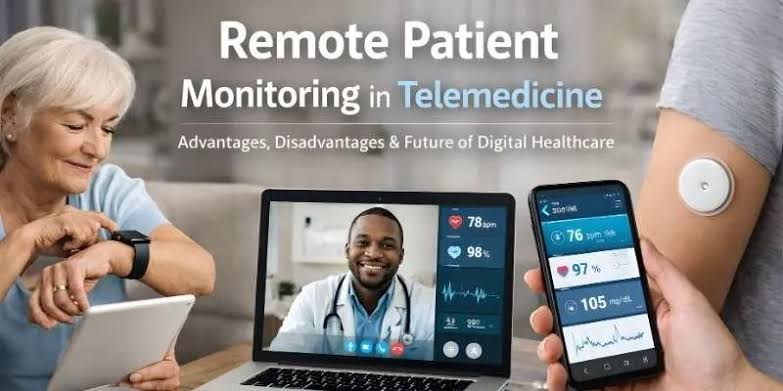
Remote Patient Monitoring (RPM) has fundamentally transformed outpatient care delivery.
By providing connected readings, such as blood pressure, glucose, and weight data, RPM creates unprecedented visibility into patient health outside clinic walls.
However, as practices rapidly scale remote care panels, healthcare leaders face a major operational bottleneck: data overload.
Transmitting physiological readings without clinical triage creates dashboard signals that overwhelm physicians and nurse care managers.
When raw biometric data fails to trigger timely therapeutic adjustments, RPM devolves into a passive tracking experiment that may miss opportunities to support clinical and financial goals.
The Biometric Data Dilemma: Why Raw Data Isn’t Enough
While connected medical devices generate millions of biometric data points daily, data alone does not lower hemoglobin A1c, stabilize blood pressure, or prevent congestive heart failure exacerbations.
Without specialized clinical oversight, outpatient practices encounter three costly obstacles:
-
Physician Alert Fatigue: Primary care providers already spend hours daily managing EHR inboxes. Bombarding physicians with unrefined daily weight or blood pressure pings leads to alert fatigue and delayed interventions.
-
Unaddressed Medication Non-Adherence: Biometric spikes are frequently symptoms of underlying medication issues—unmanaged side effects, complex dosing schedules, or prescription affordability barriers. Passive tracking software cannot resolve why a patient stopped taking their antihypertensive.
-
Unfulfilled CMS Service Requirements: Under Centers for Medicare & Medicaid Services (CMS) rules, billing RPM treatment management codes (such as CPT 99457 or the short-tier CPT 99470) requires documented interactive clinical management and decision-making each month. Billing without meeting applicable service requirements can result in denied claims or recoupment.
The Execution Gap: Why In-House Practice Staff Struggle
Here lies the core operational hurdle: software collects biometric data, but busy clinic staff lack the bandwidth and specialized pharmacotherapy training to analyze and act on it in real time.
Nurses and medical assistants balance monitoring with other patient care responsibilities.
Responsibilities vary by role, licensure, and practice workflow; pharmacists contribute specialized medication expertise.
Conversely, physicians have the clinical authority, but asking them to manually review hundreds of routine biometric logs leads directly to inbox burnout.
Without a dedicated clinical triage engine operating between the device telemetry and the physician inbox, concerning trends may not reach the care team in time for follow-up.
The Solution: Virtual Pharmacists as the Triage Engine
To scale remote patient monitoring across large Medicare populations without overwhelming internal practice staff, health systems deploy an interprofessional virtual triage hub.
Operating under general physician supervision, a dedicated team of virtual clinical pharmacists acts as an outpatient clinical extension.
The hub ingests raw biometric streams, filters out false alerts, conducts structured patient outreach, and communicates medication findings to the care team.
Integrating Pharmacist Care Managers (PCMs) turns remote monitoring from passive tracking into an active pharmacovigilance workflow.
While general physician supervision governs Medicare billing, board-certified clinical pharmacists use Medication Therapy Management (MTM) expertise to flag biometric trends, evaluate adherence, and route structured medication recommendations to the treating prescriber for clinical review and action within the practice’s agreed workflow.
3 Core Pillars of Pharmacist-Led RPM
1. Real-Time Pharmacovigilance & Biometric Triage
When an RPM device transmits an out-of-range reading such as a systolic blood pressure reading above 160 mmHg that triggers a patient’s individualized escalation protocol, virtual pharmacists do not simply forward a raw alert.
They cross-check the reading against the patient’s active medication profile, fill history, and labs to identify contributing factors before escalating to the prescriber.
2. Regimen Optimization & Disease Management
Pharmacists conduct structured medication reconciliations to identify medication discrepancies, potential duplicate therapies, and adverse drug reactions for review with the care team.
If a diabetic patient’s remote glucose logs show persistent fasting hyperglycemia, the pharmacist evaluates adherence and communicates medication recommendations to the treating prescriber.
3. Proactive Patient Engagement & Coaching
Virtual pharmacists deliver high-touch patient coaching through agreed channels such as digital messaging and structured phone check-ins.
By simplifying complex drug regimens, addressing cost barriers through copay assistance programs, and educating patients on side effect management, pharmacists drive long-term therapy adherence. Published evidence illustrates the potential impact of this collaborative model:
in a 2013 cluster-randomized JAMA trial of 450 adults with uncontrolled hypertension across 16 clinics, patients receiving home blood pressure telemonitoring plus pharmacist management achieved blood pressure control at both 6 and 12 months at a rate of 57.2% versus 30.0% with usual care (Margolis et al., 2013).
However this is an outcome specific to that studied intervention rather than a guarantee across all conditions or platforms.
How Pharmacist-Led RPM Operates in Practice
The practical value of this interprofessional workflow is demonstrated when managing complex chronic conditions:
Mr. R.*, a 72-year-old patient managing type 2 diabetes and hypertension, was enrolled in Remote Patient Monitoring (RPM).
Over a two-week period, his cellular glucometer transmitted persistent fasting blood glucose spikes ranging between 190 and 210 mg/dL.
Rather than simply recommending an upward adjustment of his basal insulin dose, a PharmD Live® Pharmacist Care Manager (PCM) initiated proactive outreach.
Through a detailed medication and lifestyle review, the PCM discovered that Mr. R.* was taking his long-acting insulin at erratic times each night due to late evening meals and a fear of nocturnal hypoglycemia.
The PCM educated Mr. R.* on proper insulin timing, aligned his dose administration with a consistent evening schedule, and provided targeted dietary coaching.
Within 14 days, his fasting blood glucose stabilized to target levels (<130 mg/dL) without increasing his prescription dosage or burdening his primary care physician.
*Patient details and names have been anonymized to protect privacy in compliance with HIPAA guidelines.
CY 2026 RPM Reimbursement Reference Matrix
A pharmacist-led RPM workflow may support eligible reimbursement when applicable billing requirements are met.
The CY 2026 CMS Medicare Physician Fee Schedule updated national unadjusted average reimbursement rates and expanded lower-threshold billing options:
| CPT Code | Service Description | Minimum Threshold Required | 2026 Medicare National Average | Mandatory Billing Prerequisites |
|---|---|---|---|---|
| CPT 99453 | Initial setup & patient education | One-time per episode of care | ~$21.71 | Must document device setup and initial time-stamped patient consent. |
| CPT 99445 | Short-threshold device supply | 2–15 days of data / 30 days | ~$52.11 | Device meets FDA definition of a medical device; captures 2–15 days of data. |
| CPT 99454 | Full-threshold device supply | 16–30 days of data / 30 days | ~$52.11 | Device meets the FDA definition of a medical device and transmits data automatically. |
| CPT 99470 | First-tier care management time | 10–19 minutes / calendar month | ~$26.05 | Requires clinical staff time + at least one live interactive communication. |
| CPT 99457 | Full care management time | 20 minutes / calendar month | ~$51.77 | Requires 20+ cumulative mins of clinical staff time + live interactive touchpoint. |
| CPT 99458 | Additional care management time | Each additional 20 minutes | ~$41.42 | Add-on code to 99457; requires detailed cumulative time logs. |
Note: Rates reflect CY 2026 CMS PFS Non-Facility national unadjusted averages calculated using the $33.40 conversion factor. Actual practice reimbursement varies based on local Geographic Practice Cost Indices (GPCI).
Operational Workflows: The Interprofessional Triage Hub
To scale remote patient monitoring across large Medicare populations without overwhelming internal practice staff, health systems deploy an interprofessional virtual triage hub.
Operating under general physician supervision, a dedicated team of virtual clinical pharmacists acts as an outpatient clinical extension. The hub ingests raw biometric streams, filters out false alerts, conducts structured patient outreach, and resolves medication discrepancies.
When a therapeutic protocol adjustment is required, the pharmacist communicates recommendations to the treating prescriber and documents the interaction using the agreed workflow. Your primary care physicians receive pre-screened, actionable summaries rather than raw data feeds—protecting physician schedules while maintaining complete clinical oversight alongside Chronic Care Management (CCM) and Transitional Care Management (TCM).
Action Plan for Practice Leaders: Deploying Pharmacist-Led RPM
To transform your remote monitoring program into a high-yield clinical engine, executive leaders should take four immediate steps:
-
Evaluate Current RPM Data Workflows: Audit your current RPM program to determine if physicians are being bogged down by raw alert feeds or unreviewed patient data.
-
Shift to Interprofessional Care Delegation: Leverage general supervision rules to delegate biometric triage, medication reviews, and patient coaching to virtual clinical pharmacists.
-
Review RPM Code Tiers: Ask billing teams to verify monitoring days, treatment-management time, and communication requirements against current CMS guidance.
-
Consider a Clinical Extension: Explore how PharmD Live® can support onboarding, patient outreach, and care-team coordination within an agreed workflow.
Drive Meaningful Outcomes with Pharmacist-Led RPM
Remote Patient Monitoring is only as valuable as the clinical actions it triggers.
By pairing connected device technology with board-certified clinical pharmacists, your practice can help turn monitoring data into actionable insights that support chronic disease management.
Learn how PharmD Live® supports remote patient monitoring.
References
-
Centers for Medicare & Medicaid Services (CMS). Calendar Year (CY) 2026 Medicare Physician Fee Schedule Final Rule. CMS.gov.
-
U.S. Department of Health and Human Services, Office of Inspector General (HHS-OIG). Additional Oversight of Remote Patient Monitoring in Medicare Is Needed (Report No. OEI-05-22-00180). HHS OIG.
-
American Medical Association (AMA). CPT® 2026 Professional Edition: Remote Physiological Monitoring Guidelines. AMA Publishing.
-
Margolis KL, Asche SE, et al. Effect of Home Blood Pressure Telemonitoring and Pharmacist Management on Blood Pressure Control: A Cluster Randomized Clinical Trial. JAMA. 2013;310(1):46-56. doi:10.1001/jama.2013.6549. PMID: 23821088.
-
Tenpas AS, Vascimini A, et al. Improvement in Clinical Outcomes and Access to Care With Pharmacist-Led Chronic Care Management Services at a Rural Family Medicine Clinic. J Pharm Pract. 2023;36(6):1392-1396. doi:10.1177/08971900221118232. PMID: 35938485.
-
PharmD Live®. Remote Patient Monitoring & Clinical Pharmacist Solutions. PharmD Live.
