

Flu-season preparation goes beyond checking vaccination status.
For chronic-care teams supporting older adults between appointments, it also means reviewing medication information, identifying refill barriers, and making sure patients and caregivers know whom to contact if illness develops.
For the 2026–2027 influenza season in the United States, the Centers for Disease Control and Prevention (CDC) recommends that most people needing a single vaccine dose receive it during September or October.
However, vaccination should continue throughout the fall and winter as long as influenza viruses are circulating and unexpired vaccines remain available.
For older adults and people living with chronic conditions, a structured readiness check can help care teams identify questions that need attention before infection strikes.
It can also give patients and caregivers clearer guidance on what to do if symptoms appear.
Here is a 5-point clinical readiness framework for chronic-care teams and providers.
1. Confirm Influenza Vaccination Status for Adults 65+
Start by confirming whether the person has received the flu vaccine for the 2026–2027 season or has a vaccination appointment planned.
Don’t rely solely on memory or assume that a previous year’s vaccination provides residual protection .
Check available records and clarify any uncertainty with the patient, caregiver, or vaccination provider.
For adults aged 65 and older, the CDC preferentially recommends three vaccine types:
- High-dose inactivated influenza vaccine (HD-IIV)
- Recombinant influenza vaccine (RIV)
- Adjuvanted inactivated influenza vaccine (aIIV)
If none of these three options is available when vaccination can be given, the CDC recommends using another age-appropriate influenza vaccine rather than missing the opportunity.
A pharmacist or another appropriate healthcare professional can help answer vaccination questions and coordinate the next step within their role.
Read the CDC’s 2026–2027 influenza vaccine guidance.
Care Team Verification Checklist:
- Is current 2026–2027 immunization documented in the EHR or registry?
- If unvaccinated, is an appointment scheduled?
- For patients ≥65, was a preferentially recommended vaccine offered?
- Does the patient require transportation or localized pharmacy coordination to obtain vaccination?
2. Reconcile the Medication List
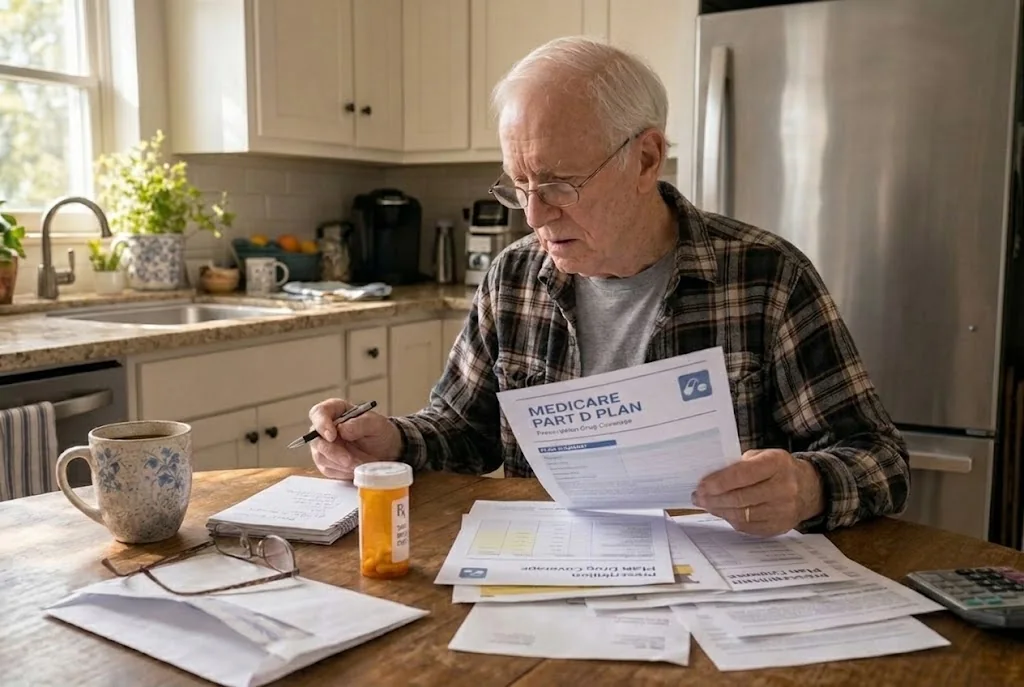
Medication regimens frequently shift between periodic primary care encounters. Doses are altered by specialists, medications are discontinued post-discharge, and patients frequently introduce over-the-counter (OTC) products or supplements without notifying their primary care team.
Before flu season, ask the patient or caregiver to review the current list. Include prescription medications, over-the-counter products, supplements, and reported medication allergies or previous adverse reactions.
Confirm the name, strength, dosage, and frequency of each medication where possible. Ask about recent changes and clarify discrepancies with the appropriate clinician or pharmacist before updating the record.
This review is particularly useful when different healthcare professionals are involved in a person’s care or when the patient manages several medications.
3. Check Refill Continuity and Medication Access
A patient may understand their treatment plan and still have difficulty following it. Cost, transportation, pharmacy access, and delivery delays can all make obtaining medications harder.
A brief check can help the care team identify these problems before they become urgent:
- Identify Impending Lapses:
Check which maintenance medications are due for refill within the next 14 to 30 days.
- Tackle Cost & Coverage:
Identify recent formulary tier changes or coverage gaps that make out-of-pocket costs prohibitive.
- Address Delivery Logistical Hurdles:
Discuss whether a 90-day supply, mail order, or synchronized retail pickup is appropriate and available for the patient.
Do not advise patients to stockpile medications, change doses, or stop prescribed treatment to manage a supply problem. Any necessary treatment changes should be discussed with an appropriate healthcare professional.
A refill check does not prevent influenza but it helps the team identify practical problems that could otherwise leave a patient without medications they have been instructed to take.
4. Establish an Actionable, Individualized Illness Plan
Knowing whom to contact when symptoms begin can be beneficial for a patient or caregiver.
This is especially important for older adults and people with chronic conditions who are at increased risk of serious flu complications.
The CDC advises people at higher risk to contact their healthcare provider as soon as possible if they develop acute respiratory symptoms, with or without fever.
For patients at higher risk with suspected or confirmed influenza, the CDC recommends starting antiviral treatment as soon as possible without waiting for laboratory confirmation.
Clinical benefit is greatest when antivirals begin early ideally within 48 hours of symptom onset, though 48 hours is not a strict cutoff, as patients with severe, progressive, or complicated illness (or those hospitalized) may still benefit from later initiation.
The care team can help the patient understand whom to contact, how to reach them, and what information to share.
Before acute illness occurs, ensure patients and family caregivers know:
- Which healthcare professional or service should be contacted if symptoms appear.
- How to reach that service, including what to do outside normal office hours.
- What information to report, such as when symptoms began, current medications, and significant changes in the person’s condition.
- Whether the patient has existing care instructions relevant to their chronic conditions.
- What to do if symptoms worsen or the usual contact cannot be reached.
The plan should be individualized. A person with several chronic conditions may have specific instructions from their treating team that need to be incorporated.
Patients should not independently stop or change prescribed treatment because they feel unwell. They should seek advice from an appropriate healthcare professional.
Important for high-risk patients: Don’t assume that a fever must be present before seeking advice. The CDC specifically notes that high-risk people with acute respiratory symptoms, with or without fever, should contact their provider promptly.
Review the CDC’s influenza antiviral guidance for clinicians.
5. Provide Explicit Escalation and Emergency Warning Instructions
While a plan for contacting the care team is useful, patients and caregivers also need to recognize when waiting for a routine appointment or callback is not appropriate.
According to the CDC’s Emergency Warning Signs of Flu for adults, anyone experiencing any of these signs should get medical care right away:
- Difficulty breathing or shortness of breath
- Persistent pain or pressure in the chest or abdomen
- Persistent dizziness, confusion, or inability to arouse
- Seizures
- Not urinating
- Severe muscle pain
- Severe weakness or unsteadiness
- Fever or cough that improves, but then returns or worsens
- Worsening of chronic medical conditions
This list is not all-inclusive; patients and caregivers should seek prompt medical evaluation for any other severe or concerning symptoms.
When emergency warning signs appear, patients should never delay care by leaving a standard portal message or waiting for a routine callback, they should seek immediate emergency care (such as calling 911 or going to the nearest emergency department).
For patients who may have difficulty recognizing symptoms or arranging care, confirm that a caregiver or other support person understands the instructions, where appropriate.
See the CDC’s full list of flu symptoms and emergency warning signs.
Integrating Flu Readiness into Routine Chronic Care Management
Deploying a seasonal readiness checklist does not require a separate operational program.
Practices and health systems can integrate these steps seamlessly into ongoing Chronic Care Management (CCM) and Remote Patient Monitoring (RPM) workflows:
A practical workflow is to:
1. Review available information. Check vaccination records, medication lists, and any relevant care instructions before contacting the patient.
2. Confirm outstanding details. Ask about vaccination status, medication changes, refill difficulties, and the plan for responding to illness.
3. Route concerns appropriately. Refer medication discrepancies, clinical questions, and access barriers to the appropriate healthcare professional or service.
4. Close the loop. Document the agreed next step, identify who is responsible for follow-up, and confirm whether the issue has been addressed when follow-up is needed.
These are suggested care-coordination steps, not a formal CDC-mandated protocol. Teams can adapt them to their existing processes, patient needs, and professional responsibilities.
Pharmacists can contribute by reviewing medication information, identifying access barriers, answering medication-related questions, and coordinating communication with the treating team.
Clinical decisions and escalation should remain with the appropriate professionals, and emergency warning signs require prompt medical care.

Flu-Season Readiness Checklist for Patients and Caregivers
Patients and caregivers can use this short checklist to prepare for the season.
- I have received my 2026–2027 flu vaccine (or have an appointment scheduled).
- My care team has an up-to-date list of all my prescription and over-the-counter medicines.
- I have an adequate supply of all maintenance medications and know who to call for refills.
- I know exactly whom to call the moment I notice a new cough, sore throat, or respiratory symptom.
- I understand that I should seek medical advice promptly even if I do not have a fever.
- My caregiver knows the emergency red-flag warning signs that require calling 911 immediately.
If you cannot check every item, ask your healthcare team for help with the outstanding questions. You do not need to resolve medication discrepancies or make treatment decisions on your own.
Where to Find Reliable Flu-Season Guidance
Use these official CDC resources to check current recommendations and clinical guidance:
- Influenza vaccination: 2026–2027 vaccine guidance covers vaccine selection and timing.
- Antiviral treatment: Influenza antiviral guidance for clinicians explains when prompt treatment is recommended and why treatment decisions should not wait for laboratory confirmation in priority groups.
- Symptoms and warning signs: CDC flu symptoms and emergency warning signs explains which symptoms warrant immediate medical care.

Proactive Preparation Protects Vulnerable Seniors
A flu-season readiness check gives chronic-care teams a practical way to review vaccination status, confirm medication information, identify refill barriers, and make sure patients and caregivers understand what to do if illness develops.
The process does not need to be complicated.
Start with the information already available, clarify what is missing, and route concerns to the appropriate person.
Most importantly, make the next step clear. Patients should know whom to contact when symptoms begin and when they need medical care right away.
References
Centers for Disease Control and Prevention (CDC). 2026–2027 Seasonal Influenza Vaccine Guidance. Updated September 1, 2026. CDC Official Vaccine Guidelines.
Centers for Disease Control and Prevention (CDC). Influenza Antiviral Medications: Summary for Clinicians. CDC.gov.
Centers for Disease Control and Prevention (CDC). Signs and Symptoms of Flu (Emergency Warning Signs). CDC.gov.
Centers for Disease Control and Prevention. Interim Clinical Considerations for the Use of Seasonal Influenza Vaccines in the United States. September 1, 2026.
Centers for Disease Control and Prevention. People at Increased Risk for Flu Complications.
PharmD Live®. Virtual Care Management & Chronic Care Management (CCM) Solutions. PharmD Live Solutions.