
An estimated 40.1 million people in the United States had diabetes in 2023; type 2 diabetes accounts for approximately 90%–95% of diagnosed cases among adults.
Managing T2D requires a comprehensive care strategy—combining daily lifestyle modifications with advanced pharmaceuticals to lower blood sugar, protect cardiovascular health, and prevent long-term microvascular and macrovascular complications.
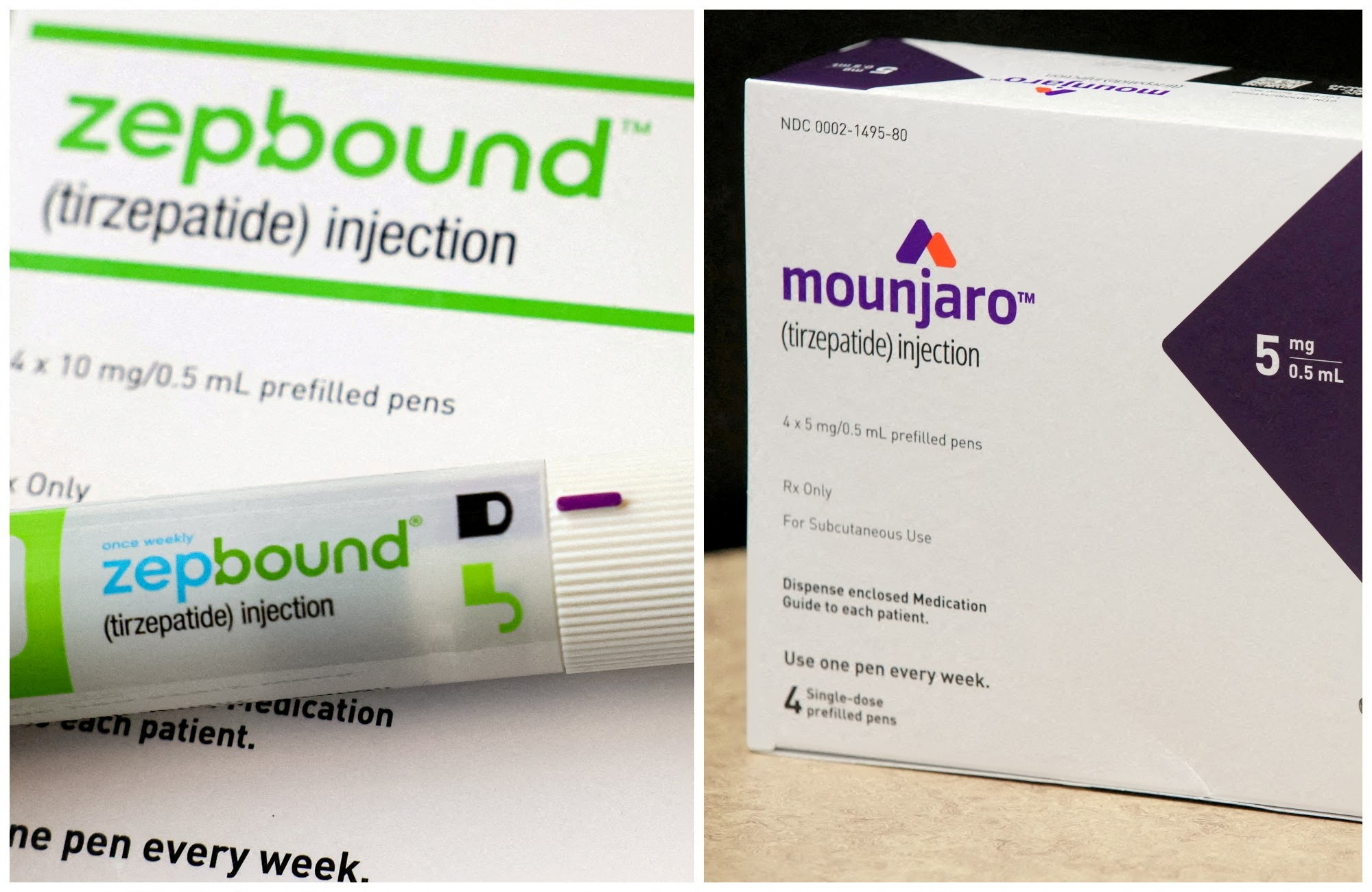
Tirzepatide—approved by the FDA as Mounjaro® for Type 2 Diabetes in May 2022 and as Zepbound® for chronic weight management in November 2023—represents a major leap forward in cardiometabolic care.
As a first-in-class dual glucose-dependent insulinotropic polypeptide (GIP) and glucagon-like peptide-1 (GLP-1) receptor agonist (often referred to as a “twincretin”), tirzepatide improved glycemic control and reduced body weight versus selected comparators in clinical trials.
How Dual GIP and GLP-1 Agonism Works
Traditional GLP-1 receptor agonists function by stimulating glucose-dependent insulin secretion, delaying gastric emptying, and suppressing appetite.
While GIP was historically believed to have limited therapeutic value in T2D, co-stimulating both GIP and GLP-1 receptors triggers a synergistic metabolic response across multiple organ systems:
-
Enhanced Insulin Secretion: Dual receptor binding prompts a faster, more robust glucose-dependent insulin response after meals than GLP-1 selective agonism alone.
-
Balanced Glucagon Regulation: The combination suppresses glucagon secretion during hyperglycemia while preserving the body’s natural glucagon response to hypoglycemia.
-
Appetite & Central Metabolic Control: Dual agonism acts directly on hypothalamic satiety centers to reduce food intake while improving insulin sensitivity in peripheral adipose tissue and skeletal muscle.
The SURPASS Phase 3 Clinical Trial Program
The Phase 3 SURPASS clinical trial program evaluated once-weekly tirzepatide (at 5 mg, 10 mg, and 15 mg maintenance doses) across diverse T2D patient populations, comparing changes in HbA1c and body weight with a specified treatment or placebo in each trial:
| Trial | Study Design & Comparator | HbA1c Reduction (Tirzepatide 15 mg) | Weight Loss Impact (Tirzepatide 15 mg) | Key Clinical Outcome |
|---|---|---|---|---|
| SURPASS-1 | Monotherapy vs. Placebo (Drug-naive) | -2.07% vs. +0.04% (Placebo) | -9.5 kg(-20.9 lbs) | Up to 52% of participants achieved normoglycemia (HbA1c <5.7%). |
| SURPASS-2 | Add-on to Metformin vs. Semaglutide 1 mg | -2.30% vs. -1.86% (Semaglutide) | -11.2 kg vs. -5.7 kg | Nearly double the total body weight reduction compared to semaglutide 1 mg. |
| SURPASS-3 | Add-on vs. Basal Insulin Degludec | -2.37% vs. -1.34% (Degludec) | -12.9 kg vs. Net Weight Gain | Delivered superior glycemic control with significantly lower hypoglycemia rates. |
| SURPASS-4 | High CV Risk Panel vs. Insulin Glargine | -2.58% vs. -1.44% (Glargine) | -11.7 kg vs. Net Weight Gain | Demonstrated long-term cardiovascular and renal safety profile. |
| SURPASS-5 | Add-on to Basal Insulin vs. Placebo | -2.59% vs. -0.93% (Placebo) | -10.9 kg vs. Net Weight Gain | Reduced body weight compared with placebo when added to basal insulin. |
Long-Term Cardiovascular Safety (SURPASS-CVOT)
In the SURPASS-CVOT trial (Nicholls et al.,N Engl J Med, 2025), tirzepatide met non-inferiority criteria for Major Adverse Cardiovascular Events (MACE-3: CV death, non-fatal MI, or non-fatal stroke) compared to dulaglutide in adults with T2D and established atherosclerotic cardiovascular disease (ASCVD), though statistical superiority was not established.
Reflecting updated clinical evidence, the August 2026 FDA Mounjaro® label added an indication to reduce the risk of MACE in adults with T2D who are at high risk for these events.
Managing Dosing, Titration, and Gastrointestinal Adverse Events
Managing Dosing, Titration, and Key Safety Warnings Per the August 2026 FDA Mounjaro® prescribing information, tirzepatide follows an individualized starting and conditional dose-escalation schedule:
-
Initiation & Ongoing 2.5 mg Use: Treatment starts at 2.5 mg subcutaneously once weekly; unlike earlier labeling, the 2.5 mg dose may now be used for ongoing glycemic control rather than serving solely as an initiation dose.
-
Conditional Step-Up Escalation: Only if additional glycemic control is needed should the prescriber increase the dose in 2.5 mg increments after at least 4 weeks on the current dose, up to the adult maximum of 15 mg once weekly(10 mg in pediatric patients aged 10+).
-
Key Contraindications & Clinical Escalation Signs: Tirzepatide carries a boxed warning and is contraindicated in patients with a personal or family history of medullary thyroid carcinoma (MTC) or Multiple Endocrine Neoplasia syndrome type 2 (MEN 2)(or serious hypersensitivity).
Care teams should monitor for severe GI reactions and volume depletion/acute kidney injury, signs of acute pancreatitis(requiring discontinuation),hypoglycemia when co-administered with insulin or sulfonylureas, and counsel patients using oral contraceptives to use a non-oral or barrier method for 4 weeks after initiation and after each dose escalation.
Patient education and follow-up can help identify tolerability concerns and barriers to continuing therapy.

How PharmD Live® Supports Practices and Patients
Navigating complex tirzepatide titration schedules demands continuous patient engagement that busy clinic teams rarely have the bandwidth to provide.
PharmD Live® supports existing care teams with technology-enabled workflows and clinical pharmacists who communicate medication-related concerns to the prescribing provider.
The practical value of this interprofessional bridge is best demonstrated when administrative or clinical breakdowns threaten patient safety:
A patient living with type 2 diabetes was inadvertently restarted on the maximum dose of Mounjaro® without proper dose titration after an SGLT2 inhibitor was discontinued due to dehydration.
Confused by severe gastrointestinal side effects and unable to obtain refills at their retail pharmacy, the patient discontinued all anti-diabetic medications entirely for over three weeks.
A PharmD Live® Pharmacist Care Manager (PCM) initiated outreach to resolve the care gap.
The PCM educated the patient on proper GLP-1/GIP receptor agonist mechanics, re-established a safe step-up titration schedule with the prescribing provider, and provided structured side-effect management coaching.
Relieved and empowered, the patient safely resumed therapy.
Patient details and names have been anonymized to protect privacy in compliance with HIPAA guidelines.
Action Plan for Practice Leaders: 4 Steps for Implementation
To optimize tirzepatide therapy delivery and maximize value-based performance, executive leaders should execute four strategic actions:
-
Stratify Patient Panels: Use EHR data to identify patients for clinician review, considering individualized goals, comorbidities, medication history, and access.
-
Standardize Step-Up Protocols: Implement standardized 4-week check-in protocols to evaluate gastrointestinal tolerance before advancing dose tiers.
-
Deploy Remote Biometric Tracking: Where appropriate and available, review glucose and weight data through the agreed care-team workflow.
-
Partner with PharmD Live®: Integrate virtual clinical pharmacists into your practice workflow to support tolerability check-ins, identify access barriers, and communicate findings to the prescribing team.
Improving Diabetes Outcomes with Turnkey Pharmacist Care Solution
Tirzepatide offers unprecedented glycemic efficacy and weight loss for individuals living with Type 2 Diabetes.
By embedding PharmD Live’s virtual clinical pharmacists into your care delivery model, your organization can support patients through dose changes and address tolerability and access barriers alongside the prescribing team.
Contact PharmD Live® today to discuss your diabetes population.
References
-
Centers for Disease Control and Prevention (CDC).National Diabetes Statistics Report. U.S. Department of Health and Human Services.
-
U.S. Food and Drug Administration (FDA). MOUNJARO® (tirzepatide) Injection Prescribing Information (Revised August 2026).FDA.gov.
-
Rosenstock J, Wysham C, Frías JP, et al. Efficacy and safety of a novel dual GIP and GLP-1 receptor agonist tirzepatide in patients with type 2 diabetes (SURPASS-1): a double-blind, randomised, phase 3 trial.Lancet. 2021;398(10295):143-155. doi:10.1016/S0140-6736(21)01324-6.PMID: 34186022.
-
Frías JP, Davies MJ, Rosenstock J, et al. Tirzepatide versus Semaglutide Once Weekly in Patients with Type 2 Diabetes (SURPASS-2).N Engl J Med. 2021;385(6):503-515. doi:10.1056/NEJMoa2107519.PMID: 34170647.
-
Ludvik B, Giorgino F, Jódar E, et al. Once-weekly tirzepatide versus once-daily insulin degludec as add-on to metformin with or without SGLT2 inhibitors in patients with type 2 diabetes (SURPASS-3).Lancet. 2021;398(10300):583-598. doi:10.1016/S0140-6736(21)01443-4.PMID: 34370970.
-
Del Prato S, Kahn SE, Pavo I, et al. Tirzepatide versus insulin glargine in type 2 diabetes and increased cardiovascular risk (SURPASS-4).Lancet. 2021;398(10313):1811-1824. doi:10.1016/S0140-6736(21)02188-7.PMID: 34672967.
-
Dahl D, Onishi Y, Norwood P, et al. Effect of Subcutaneous Tirzepatide vs Placebo Added to Titrated Insulin Glargine on Glycemic Control in Patients With Type 2 Diabetes: The SURPASS-5 Randomized Clinical Trial.JAMA. 2022;327(6):534-545. doi:10.1001/jama.2022.0078.PMID: 35133415.
-
Nicholls SJ, Pavo I, Bhatt DL, et al; SURPASS-CVOT Investigators. Cardiovascular outcomes with tirzepatide versus dulaglutide in type 2 diabetes.N Engl J Med. 2025;393:2409-2420. doi:10.1056/NEJMoa2505928.PMID: 41406444.
-
Tenpas AS, Vascimini A, et al. Improvement in Clinical Outcomes and Access to Care With Pharmacist-Led Chronic Care Management Services at a Rural Family Medicine Clinic (independent retrospective clinic study).J Pharm Pract. 2023;36(6):1392-1396. doi:10.1177/08971900221118232.PMID: 35938485.
-
PharmD Live®. Chronic Care Management & Remote Patient Monitoring Solutions. PharmD Live.
