
Specialty pharmaceuticals have revolutionized treatment for chronic, rare, and complex health conditions—including oncology, autoimmune diseases, viral hepatitis, and HIV.
While these advanced biopharmaceuticals offer life-saving clinical efficacy, their steep price tags and intricate administration protocols create significant financial and operational strain for patients, health systems, and value-based care organizations.
Without structured clinical oversight, high co-pays, adverse drug events, and complex dosing regimens can contribute to medication non-adherence and therapy abandonment, potentially increasing the risk of avoidable hospitalizations.
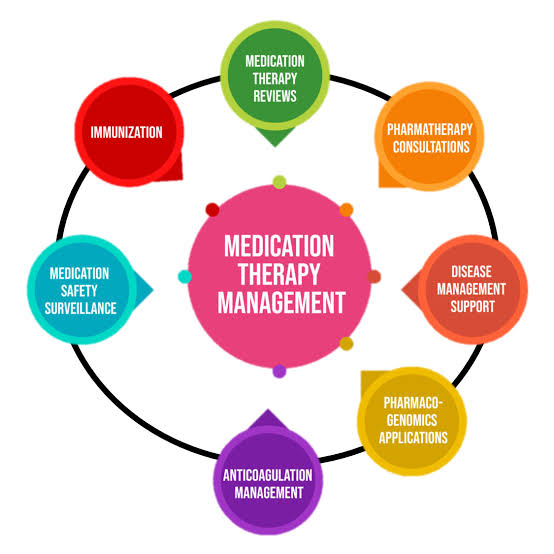
To navigate the expanding specialty pharmaceutical landscape, health systems and medical groups can deploy virtual clinical pharmacists specializing in Medication Therapy Management (MTM).
By combining artificial intelligence surveillance, predictive analytics, and high-touch patient coaching, virtual pharmacists bridge the gap between specialty drug prescribing and long-term therapeutic success.
The Challenge: Soaring Drug Costs and Barriers to Adherence
In 2021, specialty drugs accounted for 50% of U.S. prescription drug spending before rebates, according to an HHS analysis.
High-cost therapies place immense financial and operational pressure on healthcare organizations and patients alike:
-
High Cost Barriers: Steep out-of-pocket expenses may cause patients to delay or abandon specialty prescriptions before an initial fill.
-
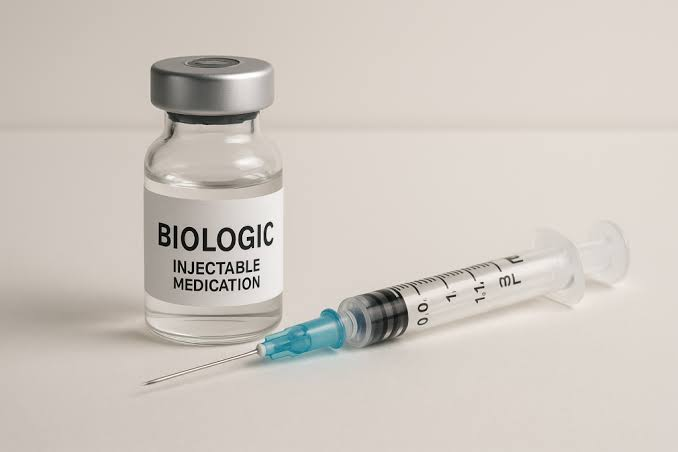
Complex Administration Protocols: Injectable, biologic, and infusion therapies require strict cold-chain storage, precise handling, and self-injection techniques that cause patient anxiety without dedicated clinical coaching.
-
Severe Consequences of Non-Adherence: According to a 2018 systematic review in BMJ Open(Cutler et al.), adjusted annual healthcare costs attributable to medication non-adherence range from $949 to $52,771 per patient across disease groups, though estimates vary by condition and study methodology.
In conditions like rheumatoid arthritis, oncology, and HIV, skipping doses or abandoning therapy may compromise treatment outcomes and increase the need for additional care.
The 2026 Regulatory Landscape: Medicare Part D Benefit Redesign
Navigating specialty drug management requires aligning clinical workflows with updated Medicare benefit parameters.
Under Centers for Medicare & Medicaid Services (CMS) Part D redesign rules (applicable strictly to covered Part D prescription drugs, rather than Part B medical services or non-covered medications), updated thresholds reshape specialty cost-sharing across 2026 and 2027:
| Regulatory Parameter | CMS Medicare Part D Policy Baseline (2026 & 2027) | Impact on Specialty MTM Workflows |
|---|---|---|
| Out-of-Pocket (OOP) Cap | $2,100 annual cap in 2026, rising to $2,400 in 2027(applies to covered Part D drugs only; excludes Part B drugs and medical costs). | Caps enrollee out-of-pocket spending on covered Part D therapies; plan liability varies by drug and benefit phase. |
| Specialty Tier Threshold | $950 per 30-day equivalent ingredient cost in 2026, increasing to $1,080 in 2027. | Requires proactive formulary navigation, prior authorization tracking, and co-pay assistance matching before initial fills. |
| Medicare Prescription Payment Plan (MPPP) | Voluntary option allowing enrollees to spread covered Part D out-of-pocket costs into capped monthly installments across the plan year. | Pharmacists help patients evaluate whether payment smoothing fits their cash flow, clarifying that it spreads payments rather than lowering total drug costs. |
How Virtual Pharmacists Optimize Specialty MTM
Board-certified virtual pharmacists act as dedicated medication experts, delivering 24/7 clinical oversight, real-time interventions, and data-driven insights across the specialty care continuum:
To scale specialty MTM without adding administrative burden to busy clinic staff, outpatient medical groups integrate a virtual clinical triage model.
Working in coordination with the treating care team and within applicable authority, virtual clinical pharmacists function as an extended arm of your specialty or primary care clinic:
-
Ingestion & EHR Integration: The virtual pharmacist team reviews specialty orders, patient biometric data, and lab records directly within your native EHR.
-
Prior Authorization & Financial Triage: Pharmacists coordinate clinical documentation for prior authorizations and enroll patients in assistance programs before the first dose is dispensed.
-
Structured Patient Touchpoints: Pharmacists conduct scheduled phone or video check-ins to monitor therapy response, track adverse reactions, and confirm fill dates.
-
Direct Clinical Write-Backs: All clinical notes, medication reconciliations, and care plan updates are documented directly into your native EHR, giving your physicians real-time visibility without inbox clutter.
Overcoming Biologic Cost Barriers
The clinical and financial value of a pharmacist-led triage model is best demonstrated when onboarding breakdowns threaten both patient health and therapy continuity.
Ms. E.*, a 64-year-old patient managing severe rheumatoid arthritis, was prescribed a self-injectable biologic therapy.
Facing an overwhelming $1,800 monthly out-of-pocket co-pay and anxiety regarding self-injection, she left the prescription unfilled at her specialty pharmacy for over three weeks.
A PharmD Live® Pharmacist Care Manager (PCM) initiated proactive outreach to resolve the therapy roadblock.
The PCM conducted financial triage, successfully enrolling Ms. E.* in a manufacturer co-pay assistance foundation grant that reduced her out-of-pocket cost to $0 per month.
Furthermore, the PCM scheduled a live virtual consultation to walk Ms. E.* step-by-step through proper subcutaneous injection techniques, cold-chain storage, and side-effect management.
Ms. E.* successfully self-administered her first dose, maintained 100% therapy adherence over the following six months, and achieved complete clinical remission without emergency care visits.
*Patient details and names have been anonymized to protect privacy in compliance with HIPAA guidelines.
Achieving Measurable Results with PharmD Live®
PharmD Live® integrates experienced clinical pharmacists and AI surveillance directly into your specialty care workflows.
By aligning clinical pharmacist oversight with digital health tools, PharmD Live® optimizes therapy outcomes while protecting value-based care margins:
-
Reduced ER Visits & Hospitalizations: Proactive side-effect triage and adherence support are designed to address medication-related risks and potentially avoidable utilization.
-
Lower Specialty Drug Waste: Pharmacists monitor therapy and communicate concerns to the prescribing clinician; changes follow applicable authority and care-team workflows.
-
Supporting Quality Measures: Adherence support may contribute to relevant quality measures where applicable.
-
Seamless Care Layering: PharmD Live® coordinates specialty MTM alongside Remote Patient Monitoring (RPM),Chronic Care Management (CCM), and Transitional Care Management (TCM).
Action Plan for Practice Leaders: 4 Steps to Deploy Specialty MTM
To transform specialty drug management in your organization, executive leaders should take four immediate steps:
-
Audit Specialty Drug Spend & Non-Adherence Rates: Identify high-cost specialty drug categories across your patient panel where prescription abandonment or hospital readmissions occur most frequently.
-
Implement Financial & Copay Triage: Establish structured assistance navigation to connect patients with co-pay cards, foundation grants, and the MPPP before therapy start dates.
-
Establish 24/7 Virtual Pharmacist Coverage: Ensure your patients have round-the-clock access to clinical pharmacists for urgent side-effect guidance and administration support.
-
Partner with a Turnkey MTM Clinical Solution: Consider how a pharmacist-led care model can support monitoring and documentation alongside the existing team, within agreed workflows.
Conclusion
Specialty drugs are an important treatment option and a significant source of prescription drug spending.
By deploying virtual clinical pharmacists to support specialty MTM, healthcare organizations can strengthen medication review, care coordination, and documentation.
Contact PharmD Live® today to schedule your Specialty MTM Strategy Session.
References
-
Centers for Medicare & Medicaid Services (CMS). Final CY 2026 Part D Redesign Program Instructions.CMS.gov.
-
Centers for Medicare & Medicaid Services (CMS). Announcement of Calendar Year (CY) 2027 Medicare Advantage (MA) Capitation Rates and Part C and Part D Payment Policies.CMS.gov.
-
Cutler RL, Fernandez-Llimos F, Frommer M, Benrimoj C, Garcia-Cardenas V. Economic impact of medication non-adherence by disease groups: a systematic review.BMJ Open. 2018;8(1):e016982. doi:10.1136/bmjopen-2017-016982.PMID: 29358417.
-
Budnitz DS, Lovegrove MC, Shehab N, Richards CL.Emergency Hospitalizations for Adverse Drug Events in Older Americans. N Engl J Med. 2011;365(21):2002-2012. doi:10.1056/NEJMsa1103053.PMID: 22111719.
-
Wilson CG, Rhodes LA, et al.The Effect of Clinical Pharmacist-Led Comprehensive Medication Management on Chronic Disease State Goal Attainment in a Patient-Centered Medical Home. J Manag Care Spec Pharm. 2018;24(5):423-429. doi:10.18553/jmcp.2018.24.5.423.PMID: 29694290.
-
PharmD Live®.Medication Therapy Management Solutions & Clinical Pharmacist Workflows.PharmD Live.
